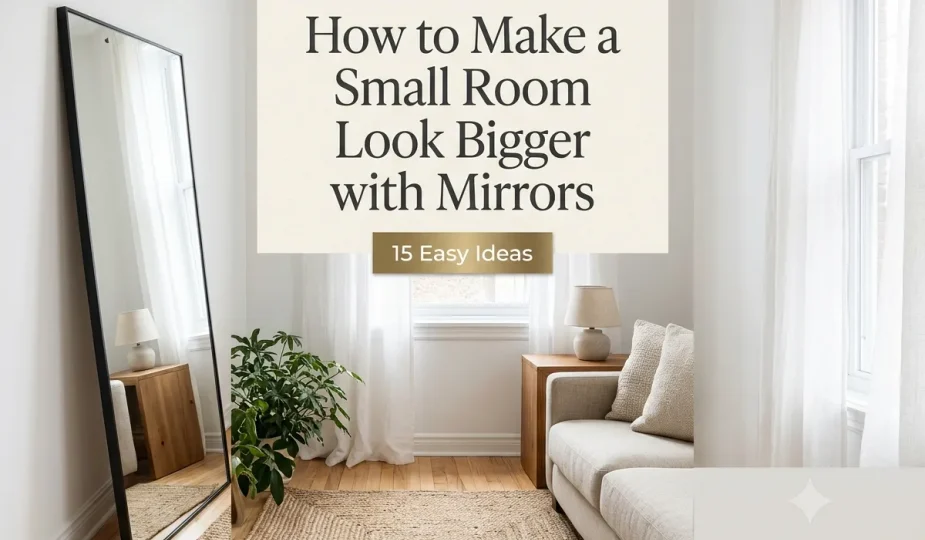
Living in a small space doesn’t mean it has to feel cramped. If your apartment, condo, or starter home feels a little tight, a mirror is one of the easiest and cheapest fixes there is.
Mirrors bounce natural light around the room and create the illusion of depth, so walls seem farther away than they really are. The best part is that most of these ideas need no renovation, no big budget, and in many cases no drilling at all.
In this guide, you’ll learn how to make a small room look bigger with mirrors, where to hang them, which styles work best, and the mistakes that can make a room feel even smaller.
Why Mirrors Make a Small Room Look Bigger
A mirror does two things at once:
It creates depth. Your eye reads the reflection as an extension of the room, which tricks the brain into seeing more space.
It reflects light. A mirror placed near a window doubles the natural light in the room, and bright rooms always feel larger.
That’s the whole secret. The trick is placing mirrors where they reflect something worth doubling, like a window, a pretty view, or a clean, styled corner.
Quick Rules Before You Start
Keep these in mind before you buy or hang anything:
Choose the frame wisely. Thin or frameless mirrors feel lighter. A chunky frame can add style but also visual weight.
Go big. One large mirror almost always beats several tiny ones.
Face the light. Place mirrors across from or beside windows, not on a blank, dark wall.
Reflect something good. A mirror reflecting a messy closet or a stack of laundry just doubles the clutter.
Mind the height. Hang the center of the mirror at about 57 to 60 inches from the floor, roughly eye level.
15 Easy Ways to Make a Small Room Look Bigger with Mirrors
1. Use an Oversized Leaner Mirror
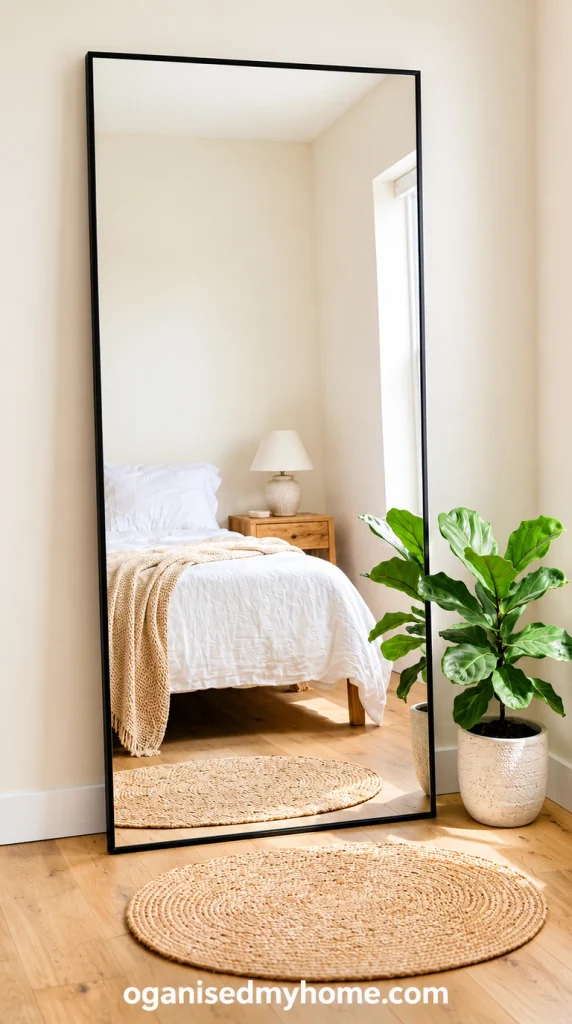
A tall floor mirror leaning against the wall is the easiest upgrade you can make. It takes up almost no floor space, needs no wall damage, and instantly adds height and depth. It’s perfect for bedrooms and living rooms, and it’s ideal for renters.
2. Hang a Mirror Opposite a Window
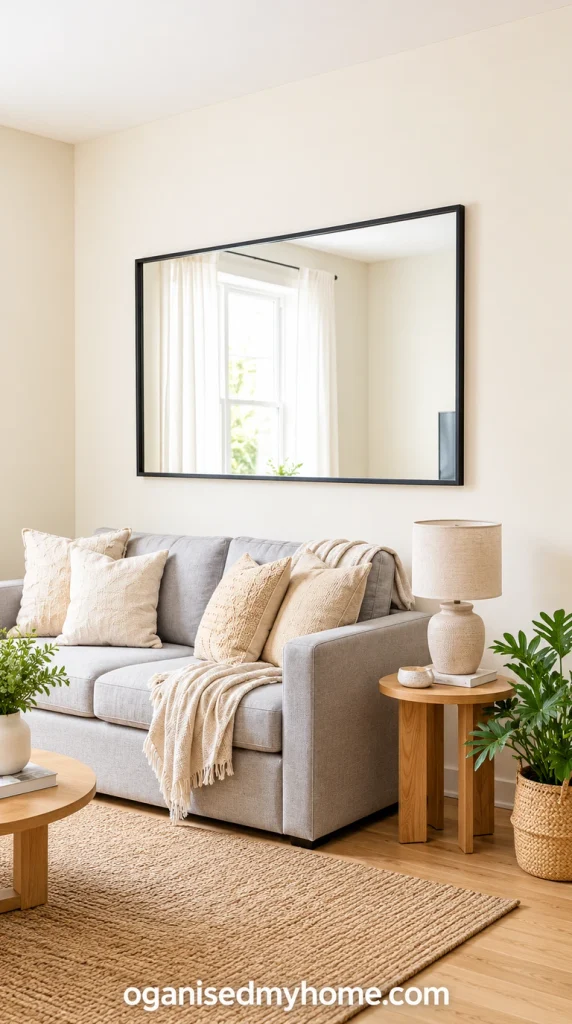
This is the classic move. A mirror placed across from a window reflects the outdoor view and bounces daylight deep into the room. A dim, boxed-in corner suddenly feels open and airy.
3. Place a Mirror Beside a Window
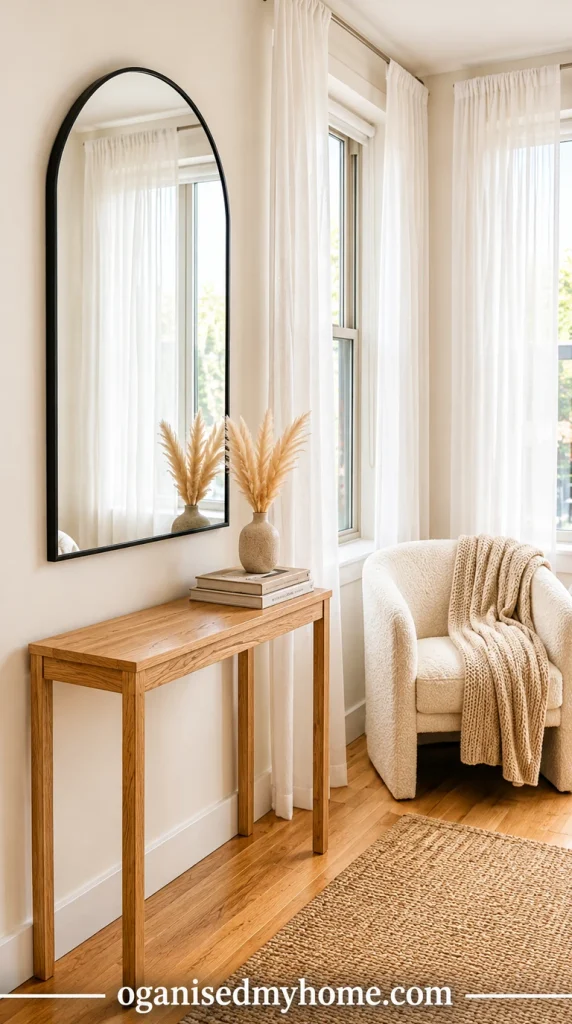
If the wall across from the window isn’t available, hang a mirror on the side wall next to it. It catches light at an angle and spreads it across the room without any glare.
4. Create a Mirror Gallery Wall
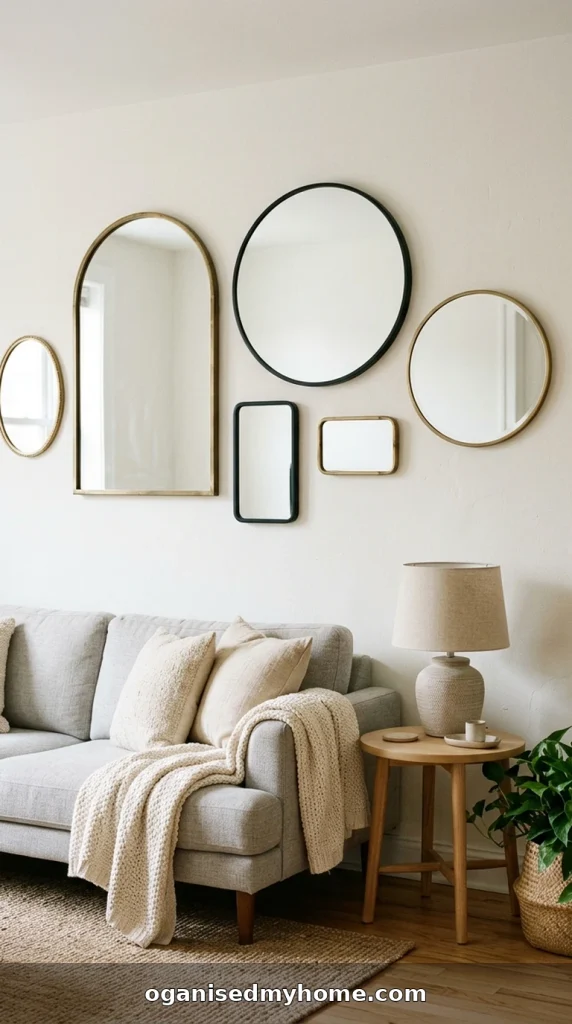
Mix a few mirrors of different shapes and sizes on one wall for a stylish, layered look. Keep the frames in one color family so the wall looks designed rather than random. This works great above a sofa or console table.
Amazon search: Set of round mirrors for wall decor gold frame multiple sizes
5. Add a Mirror Behind a Sofa or Console Table
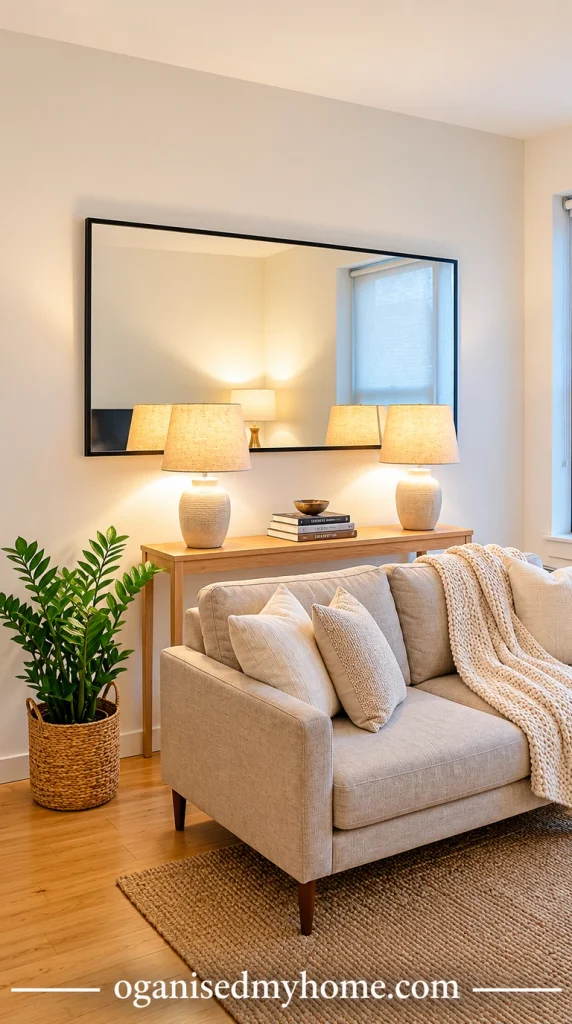
A long horizontal mirror behind a sofa makes the whole wall feel wider and doubles the lamp light in the evening. It’s one of the most popular living room tricks for good reason.
Amazon search: Horizontal wall mirror over couch 48x24
6. Use Mirrors in a Narrow Entryway
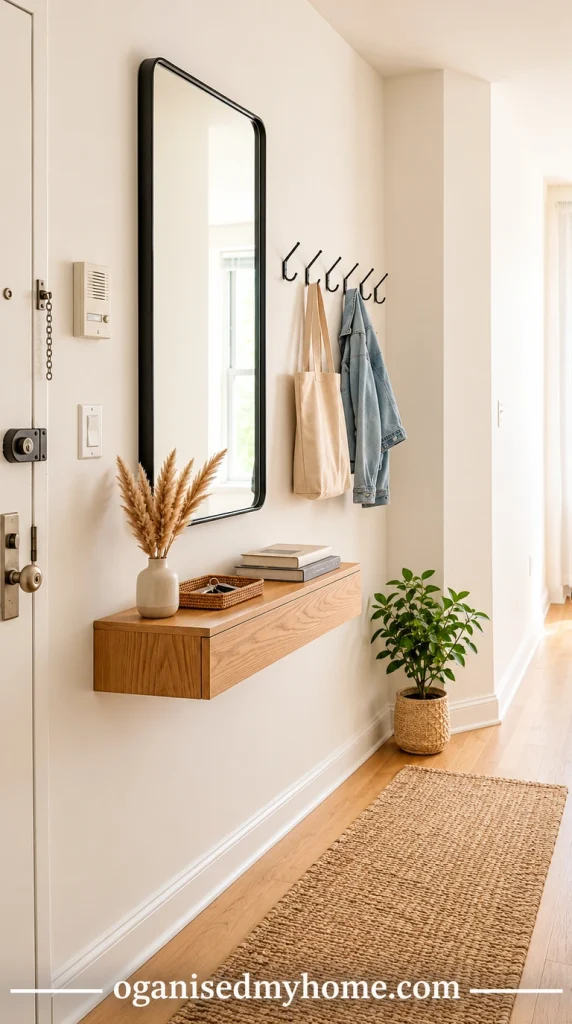
Small entryways can feel like tunnels. A tall mirror on the wall opens the space up, lets you check your look on the way out, and bounces light from the hallway or front door.
7. Try Round Mirrors for Tight Corners
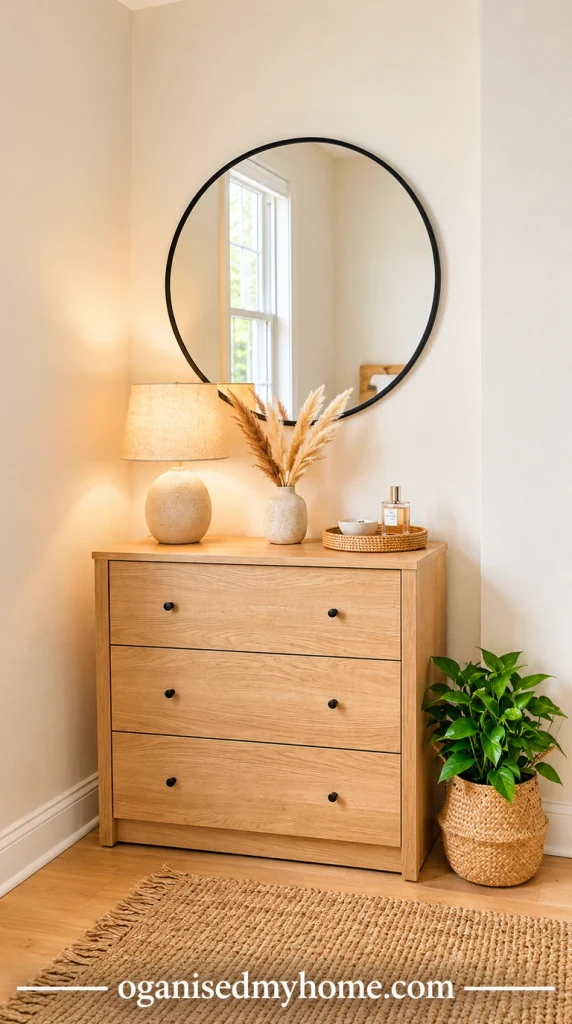
Round mirrors soften sharp corners and add a gentle, organic shape to a boxy room. They’re great above a bedroom dresser, in a bathroom, or at the end of a short hallway.
8. Install Mirrored Closet Doors
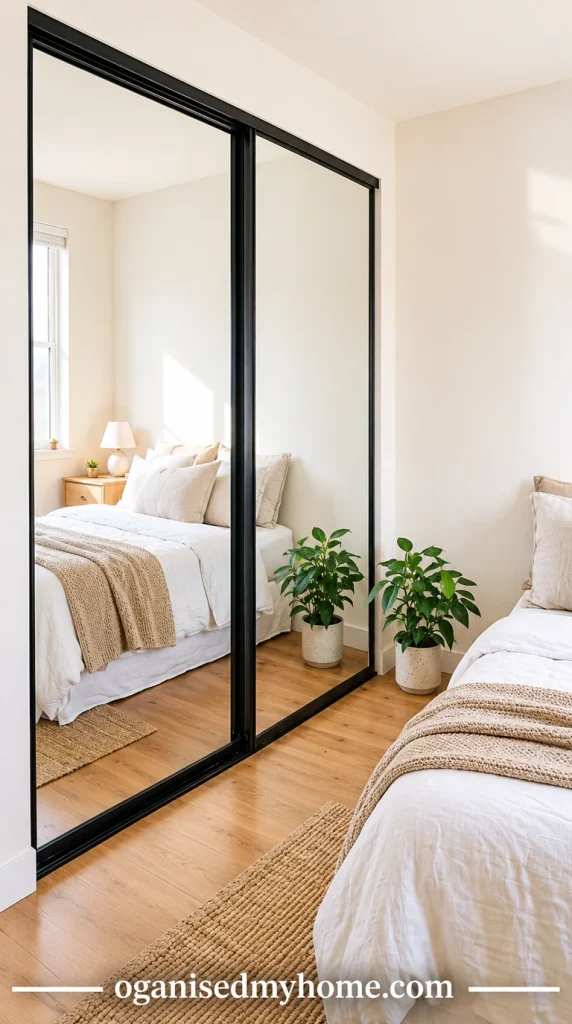
If your bedroom has a closet, mirrored doors can turn a bulky storage wall into a source of light and depth. Peel-and-stick or over-the-door mirrors work well if you don’t want a full replacement.
9. Choose Mirrored Furniture
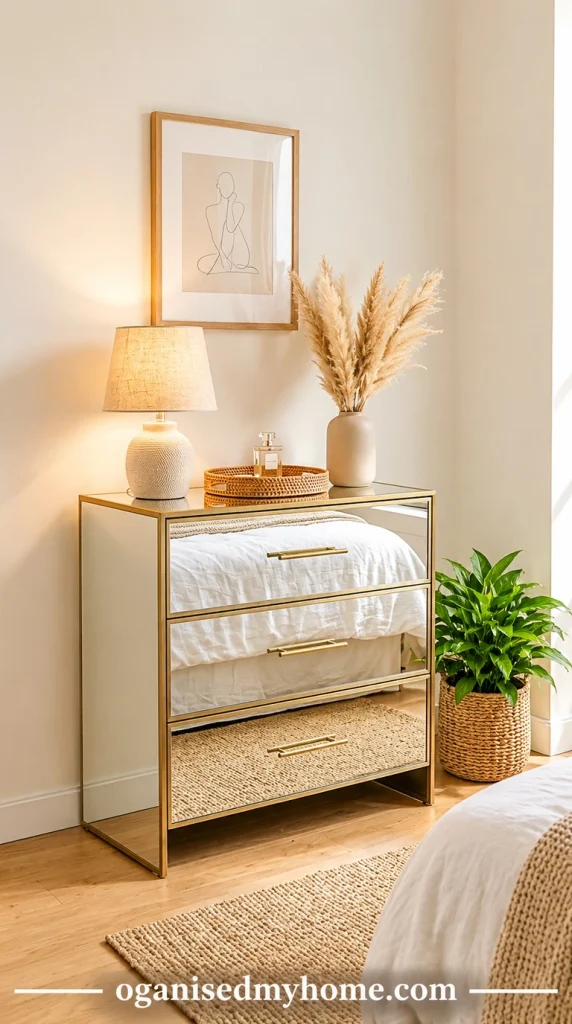
A mirrored nightstand, dresser, or accent table reflects light without taking up visual space. A little goes a long way, so one or two pieces are plenty to avoid a flashy look.
Amazon search: Mirrored nightstand with drawer small bedroom
10. Hang a Mirror Above the Bed or Headboard
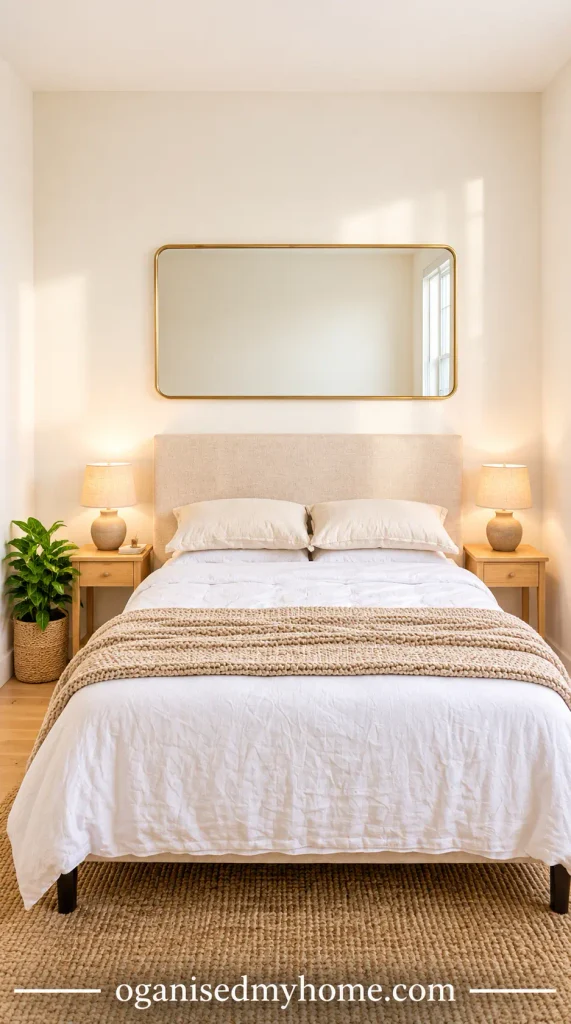
A wide mirror or a pair of mirrors above the headboard adds depth to the most important wall in the bedroom. Mount it securely, and choose a lightweight acrylic or well-anchored glass mirror.
11. Use Peel-and-Stick Mirror Tiles (Renter-Friendly)
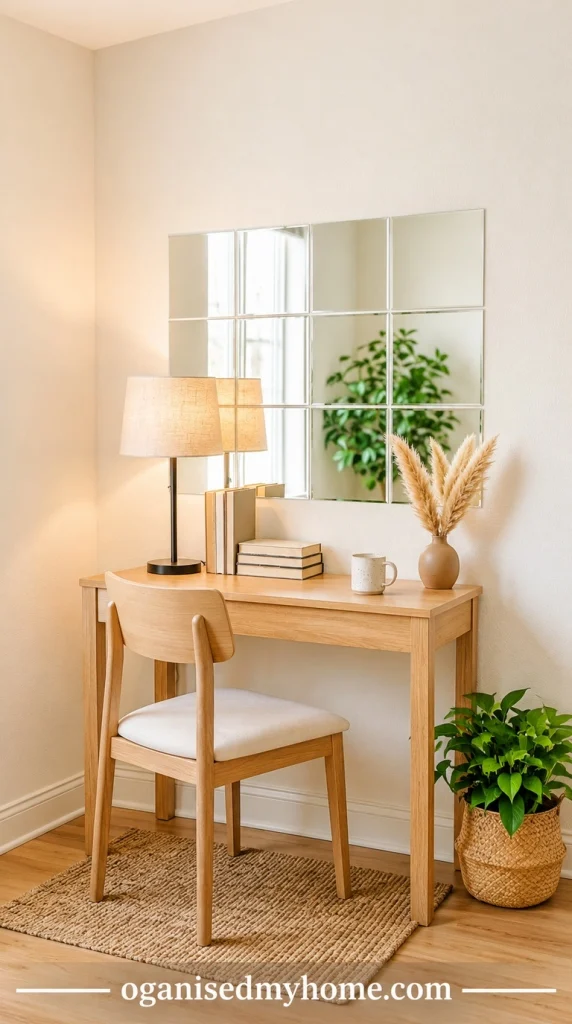
Can’t drill into the walls? Lightweight adhesive mirror tiles or sheets are a good option. Use them on a small accent area, such as the back of a bookshelf, and avoid covering an entire wall, which can look cheap.
12. Add a Mirror to the Back of a Shelf or Bookcase
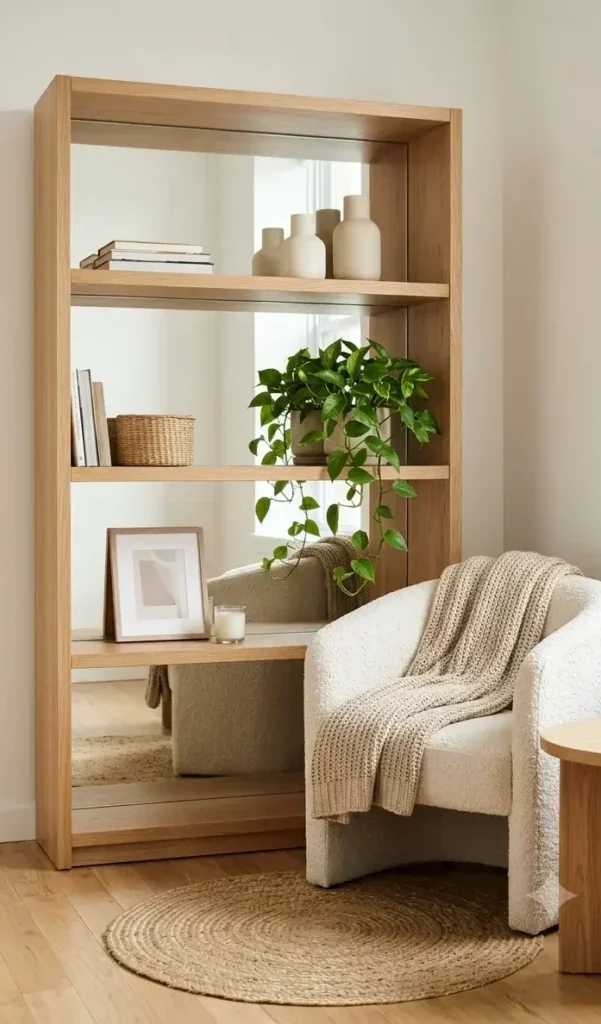
Placing a mirror behind open shelves makes the shelves feel deeper and makes your decor pop. It’s a great trick for a small living room or dining nook.
Amazon search: Acrylic mirror sheets 12x12 adhesive for shelf back
13. Use a Mirror in a Small Bathroom
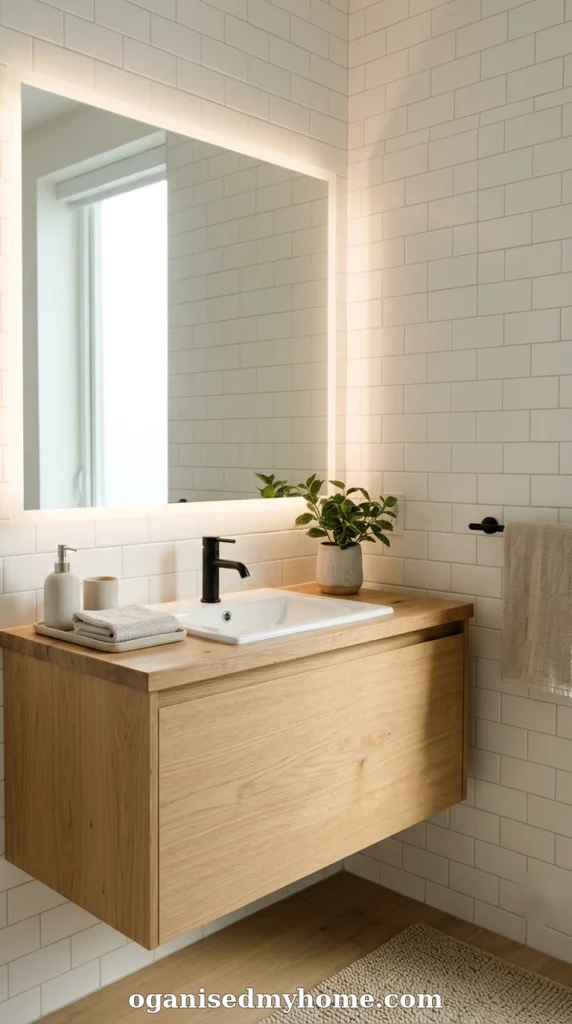
An oversized mirror, or one that runs wall to wall above the vanity, makes a tiny bathroom feel much larger. For extra glow, choose an LED backlit mirror.
Amazon search: LED bathroom mirror 36x28 backlit anti-fog
14. Brighten a Dining Nook with a Statement Mirror
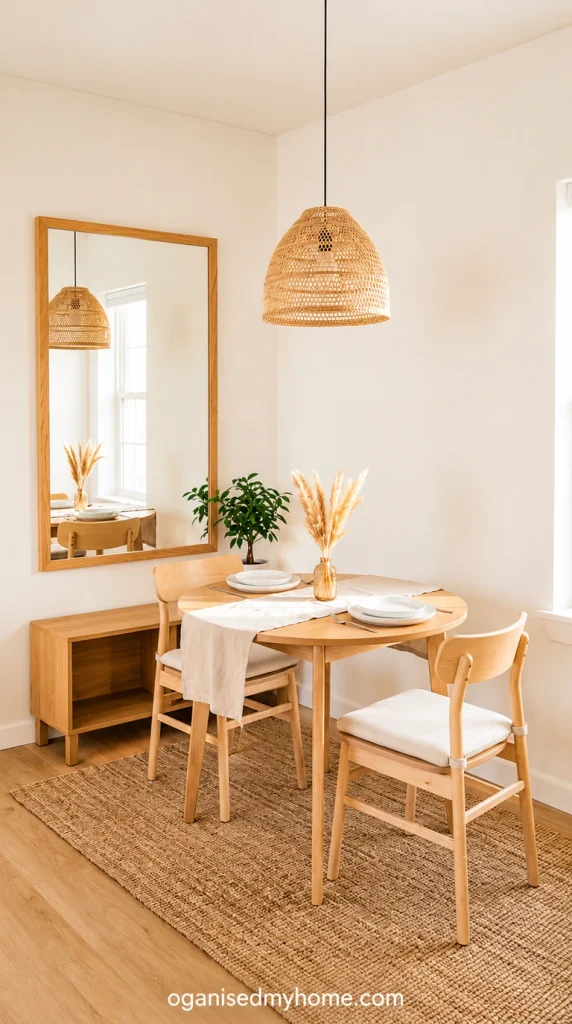
A large mirror on the wall beside a small dining table reflects the table setting and the light from the room. It makes a tight eating area feel more like a real dining room.
15. Pair Mirrors with Lamps and Light Colors
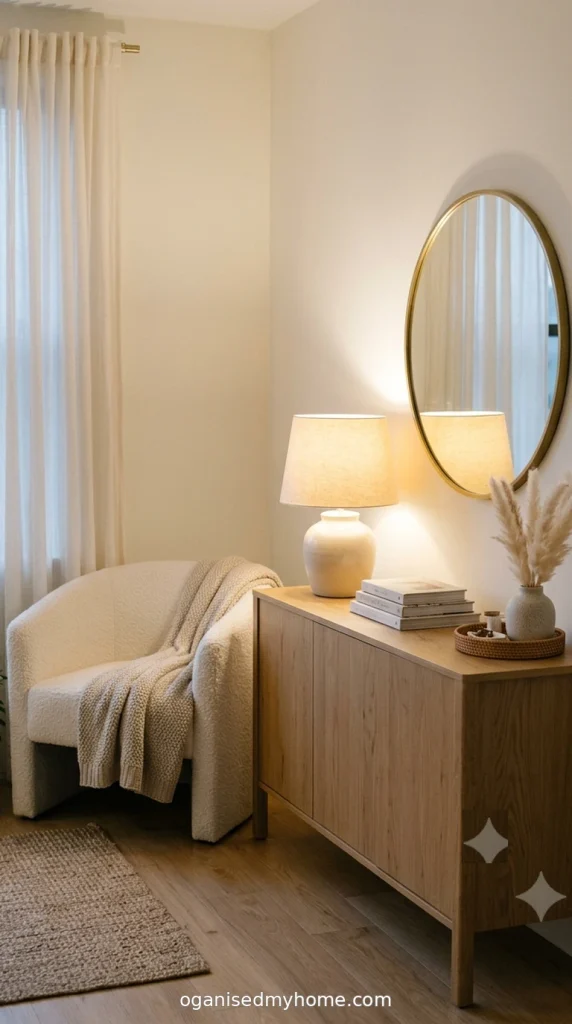
Mirrors work even harder when paired with light paint, pale curtains, and soft lamps. A mirror next to a table lamp doubles the glow at night, so the room feels warm and spacious even after dark.
Common Mirror Mistakes That Make a Room Feel Smaller
Even a great mirror can work against you if it’s in the wrong spot. Avoid these:
- Reflecting clutter. Always check what the mirror shows before you hang it.
- Going too small. Tiny mirrors look like decor, but they don’t change how the room feels.
- Placing it directly facing the bed. Many people find this uncomfortable, and it can feel busy in a small bedroom.
- Hanging it too high or too low. Aim for eye level so the reflection feels natural.
- Covering a whole wall in cheap mirror tiles. It can look dated and distort the reflection.
- Ignoring the frame. A heavy, ornate frame in a tiny room can overpower the space.
Mirror Tips for Each Room
Bedroom: Use a leaner floor mirror or a mirror beside the window. Skip placing one directly across from the bed.
Living room: Hang a large mirror behind the sofa or across from the window.
Bathroom: Choose a wide mirror above the vanity, ideally with built-in lighting.
Entryway: Go tall and narrow so it fits the space and reflects light from the door.
Kitchen or dining area: Use a medium statement mirror on the wall beside the table.
FAQs
Do mirrors really make a room look bigger?
Yes. Mirrors reflect light and create the illusion of depth, so the walls appear farther away. A large mirror in a well-lit spot has the biggest effect.
Where should I put a mirror in a small room?
The best spots are opposite or beside a window, behind a sofa or console, and at the end of a narrow hallway. Always check what the mirror reflects first.
What size mirror is best for a small room?
Go larger than you think. A big leaner mirror or a wide wall mirror makes more impact than several small ones. Many designers suggest a mirror about two-thirds the width of the furniture beneath it.
Can renters use mirrors without damaging the walls?
Absolutely. Leaner floor mirrors need no hanging at all, and removable adhesive strips or over-the-door mirrors are damage-free options.
Are mirrors good for a small bedroom?
Yes, as long as they’re placed thoughtfully. A leaner mirror or a mirror next to the window works well. Avoid placing one directly facing the bed if it makes the room feel busy.
Final Thoughts
You don’t need a major renovation to make a small room feel open. With one well-placed mirror, you can bring in more light, add depth, and make your space feel bigger and brighter. Start with a single large mirror, place it where it catches natural light, and keep the reflection clean and styled.
Which of these ideas will you try first? Save this post to Pinterest so you can come back to it when you’re ready to give your small room a lift.